ERRCS, in plain English
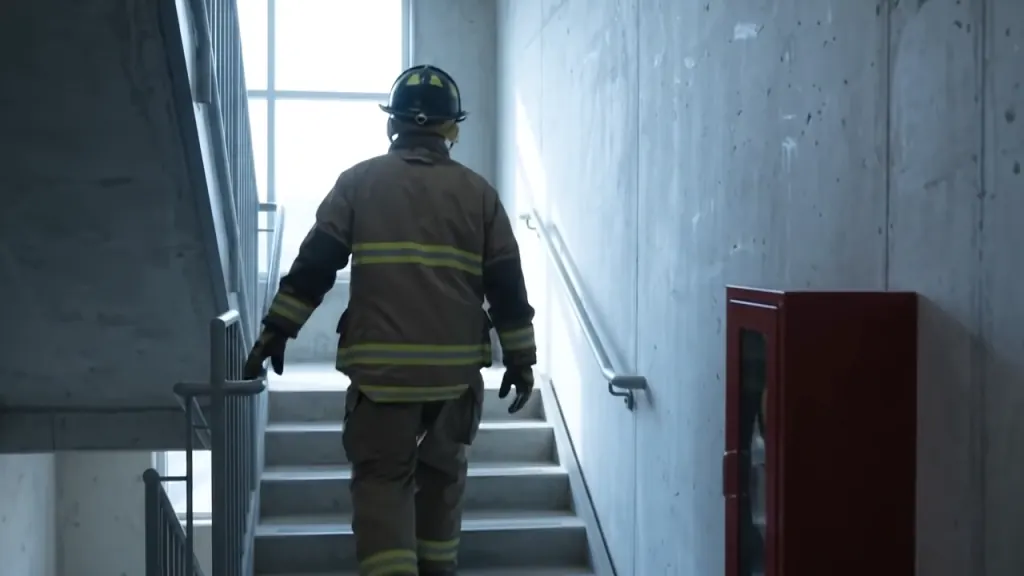
Firefighters' radios have to work inside your building. Does yours pass?
That is the Emergency Responder Radio Coverage System (ERRCS) rule. Existing Florida high-rises had to comply by January 1, 2025, and Fort Lauderdale has cited 69 of its 484 high-rises for weak radio signals (Sun Sentinel, November 2025). Check what applies to your building, free, with the source behind every answer.
ERRCS in plain English
ERRCS (Emergency Responder Radio Coverage System): equipment that carries fire and police radio signals inside a building where they would otherwise drop out. Also called a BDA system (bi-directional amplifier) or public safety DAS.
Requirements come from the fire code your state adopts and from your local fire marshal, the authority having jurisdiction (AHJ).
What you can do here
- Check one building. Answer a few questions about size, height, use and basements. The checker tells you what the published rules say for your jurisdiction, with the code section and source behind each line.
- Read your local rules. Each requirements page lists signal levels, test steps, permit steps and deadlines from your fire marshal's own documents, with the date we last verified them.
- Get quotes, if you want them. The quote request goes to up to 3 vetted installers who serve your area. We tell you that up front, and we never text or cold-call you.
- Brief your board. The Board Brief prints the rule, the dates, sourced costs and six questions for installers on one page.
Start where you are. Just heard about ERRCS at a board meeting? Read ERRCS for condo owners and boards. Holding a notice? Start here. Managing the building? Here is your first week.
How it works
From the tower to a firefighter's radio, and back
- Public safety radio towerThe fire department's radio network outside. Coverage inside is judged against the signal measured at the outside of the building.IFC 2021 510.1
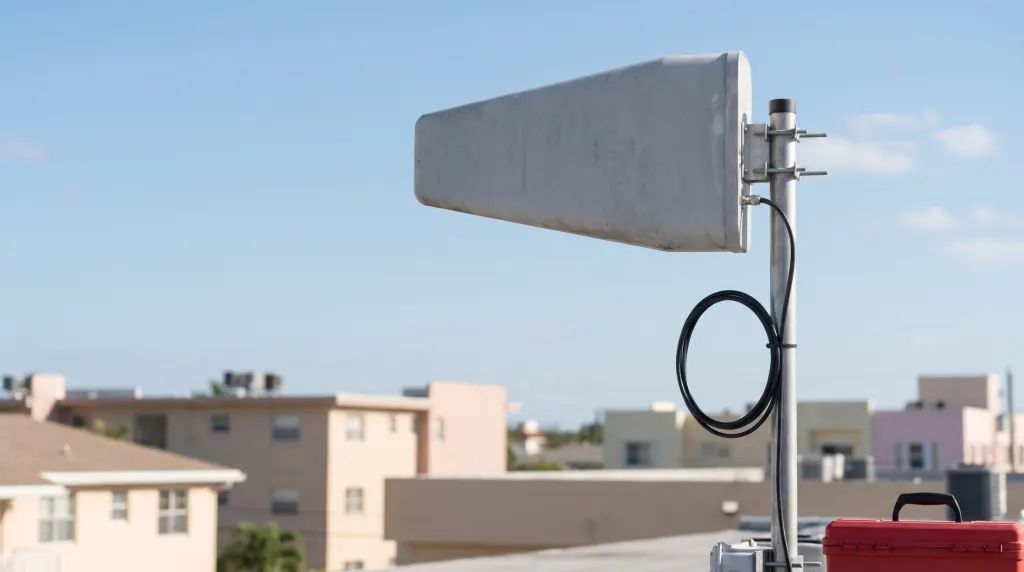
- Donor antenna on the roofAimed at the tower and permanently fixed, so it stays aligned.IFC 2021 510.5.1
- Bi-directional amplifier (BDA)Boosts the signal both ways: down to radios inside, and up from those radios back to the tower.IFC 2021 510.4.2.1; 47 CFR 90.219(a)
- Standby batteryRuns the system at 100 percent for at least 12 hours when the power fails.IFC 2021 510.4.2.3
- Cable riser and indoor antennasCarry the signal to every floor, with enough antennas to reach the far corners.IFC 2021 510.4.2.8
- A firefighter's radioNow works in the stairwell, the garage and rooms behind concrete, and reaches command outside.
Illustration
Where firefighter radios go quiet
Concrete, steel, glass and earth block radio signals. A system brings the signal in from the roof and spreads it through the building. Drag the divider.
How we keep it honest
We read primary sources: statutes, adopted fire codes and fire marshal guidelines. If a jurisdiction has not published a rule, the page says "not published; confirm with the fire marshal" instead of filling the gap with a guess. Every page shows when it was last verified, and every change goes in the public changelog.
Start with Florida
Florida is our first state. The Florida page explains the statewide law, F.S. 633.202(18), including who is exempt and the high-rise deadlines. County pages such as Miami-Dade County add the local signal and permit rules.
Florida deadline
The Florida dates have passed
Every date here comes from the statute or rule cited under it.
Florida compliance date for existing high-rises
Existing high-rise buildings had to apply for a permit by January 1, 2024 and meet the minimum radio signal strength by January 1, 2025. F.S. 633.202(18)(a)
After a notice of violation, the owner gets at least 1 year to finish the work. F.S. 633.202(18)(g)
Next step
Take the board a plan, not just a problem
Ask for up to 3 quotes from vetted installers who serve your area, or start with a one-page brief the board can read before the next meeting. Free for owners, boards and managers. No texts, no cold calls.
Questions people ask
Is ERRCSCheck a government website?
No. ERRCSCheck is an independent reference run by WhenLeads, a division of DV8 WEB LLC. We link every rule to the government or code document it came from so you can check it yourself.
Is the building checker free?
Yes. The checker and every requirements page are free for owners, boards and managers. Installers pay us for alerts and quote requests.
What is the difference between ERRCS and a BDA system?
ERRCS is the code term for the whole in-building radio coverage system. A BDA (bi-directional amplifier) is the main piece of equipment in most of them, so people use "BDA system" for the same thing.